Distressed Embroidery T Shirt Manufacturer
Distressed Embroidery T Shirt Manufacturer: A Vintage Look Built to Actually Hold Up
As a distressed embroidery t shirt manufacturer based in Sialkot, Pakistan, we build the worn-in look with a lighter touch on lightweight jersey than we would on fleece — the same digitizing, fraying, and sanding process, calibrated for a fabric with a lot less margin for error. MOQ starts at 50 pieces per style with sizes split however you need, your sample takes 6–10 days and its full cost is credited against the bulk order, and production runs 12–15 days once you approve it.
The pieces below are our own production samples, shot on the factory floor — not stock photos. Every order we run is fully custom to your spec, sizes, and branding.
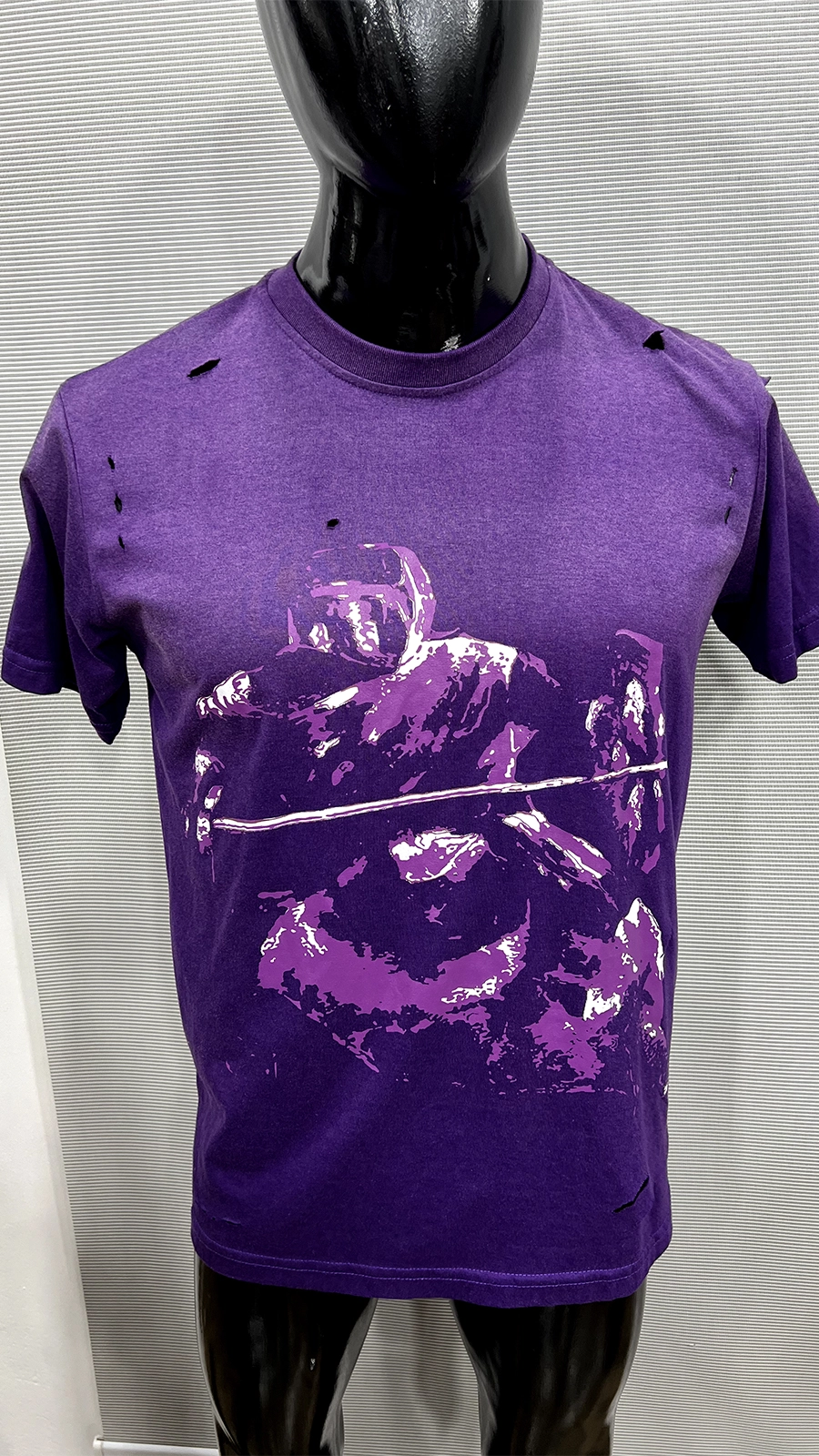
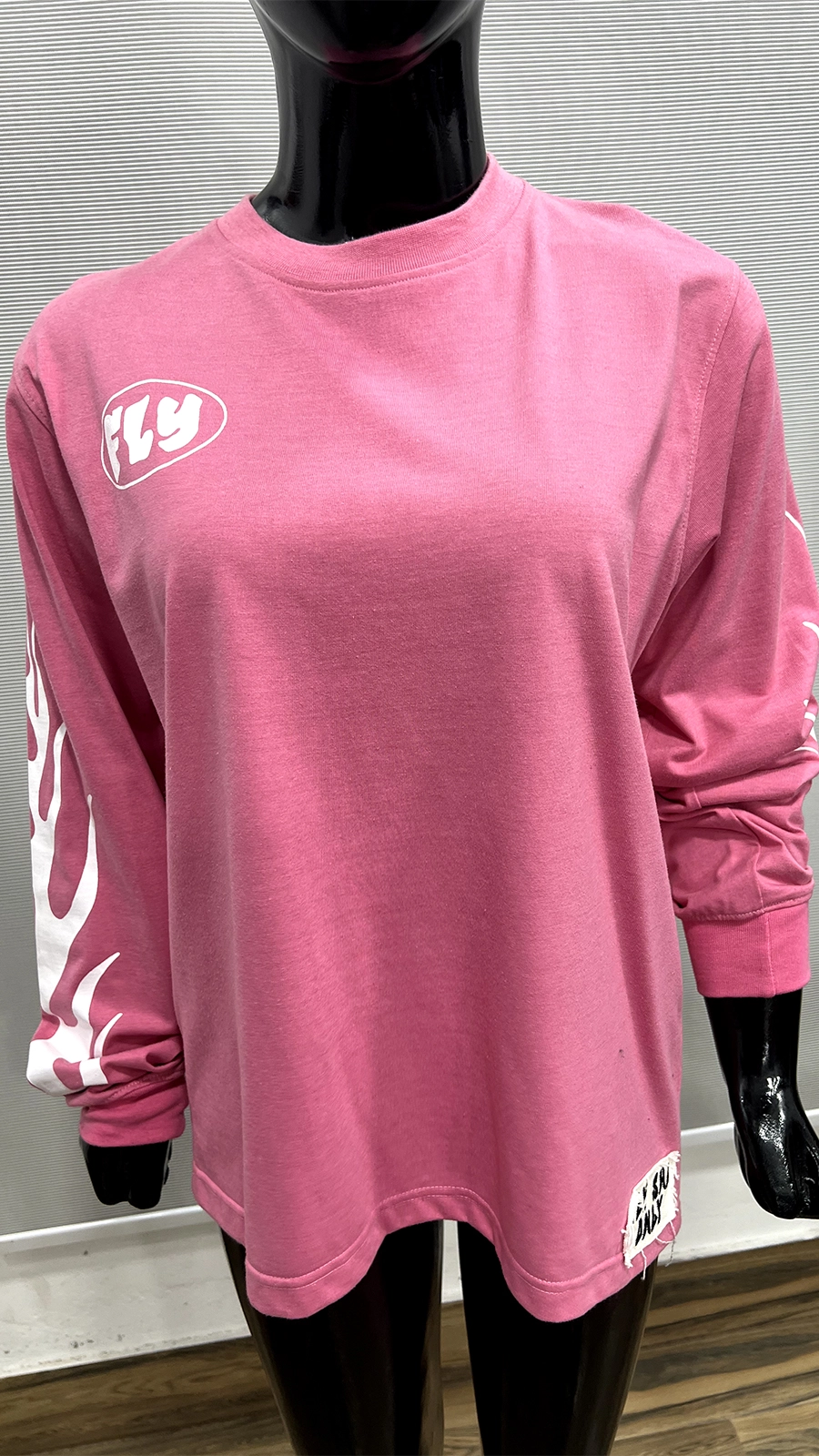
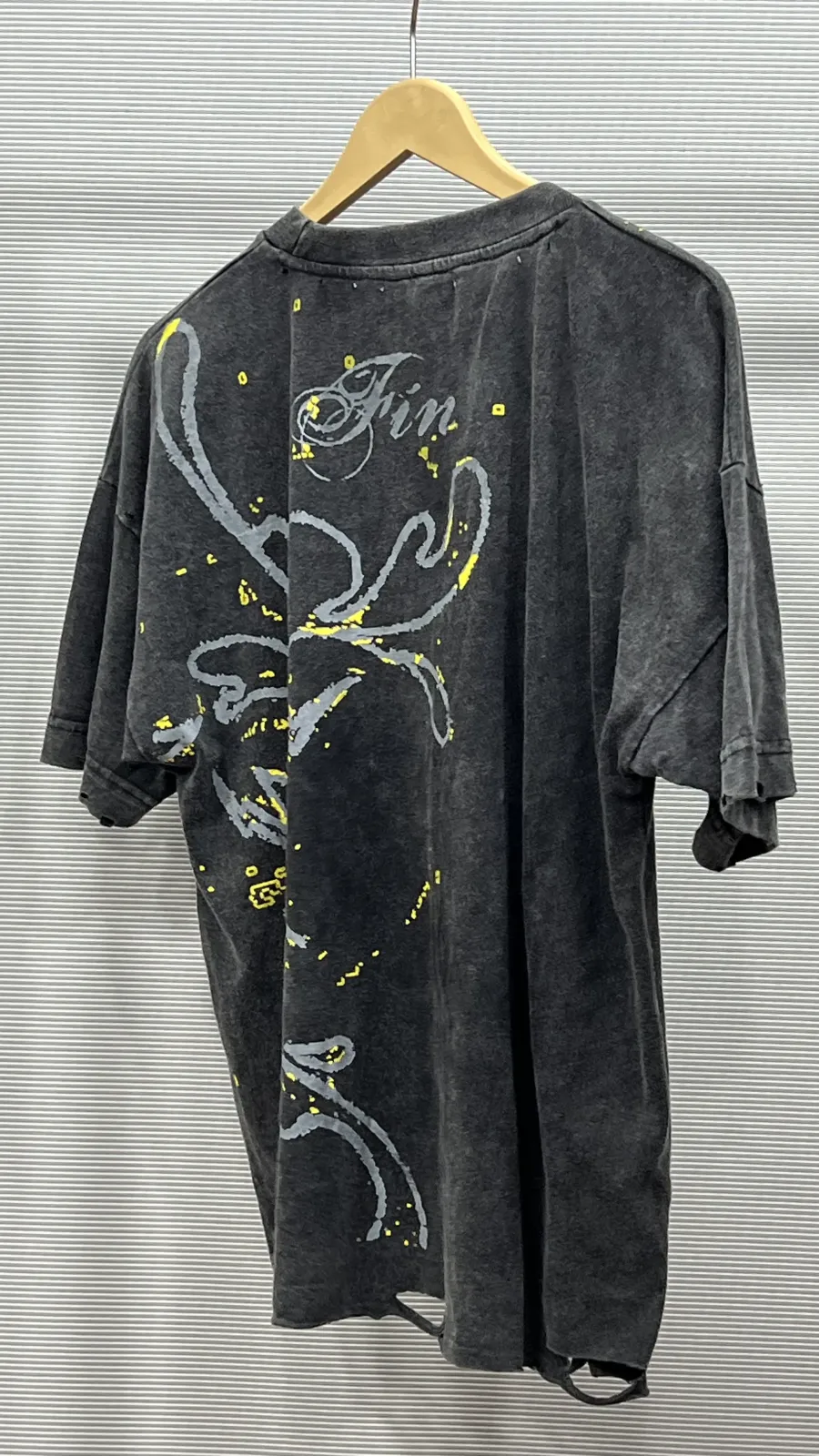
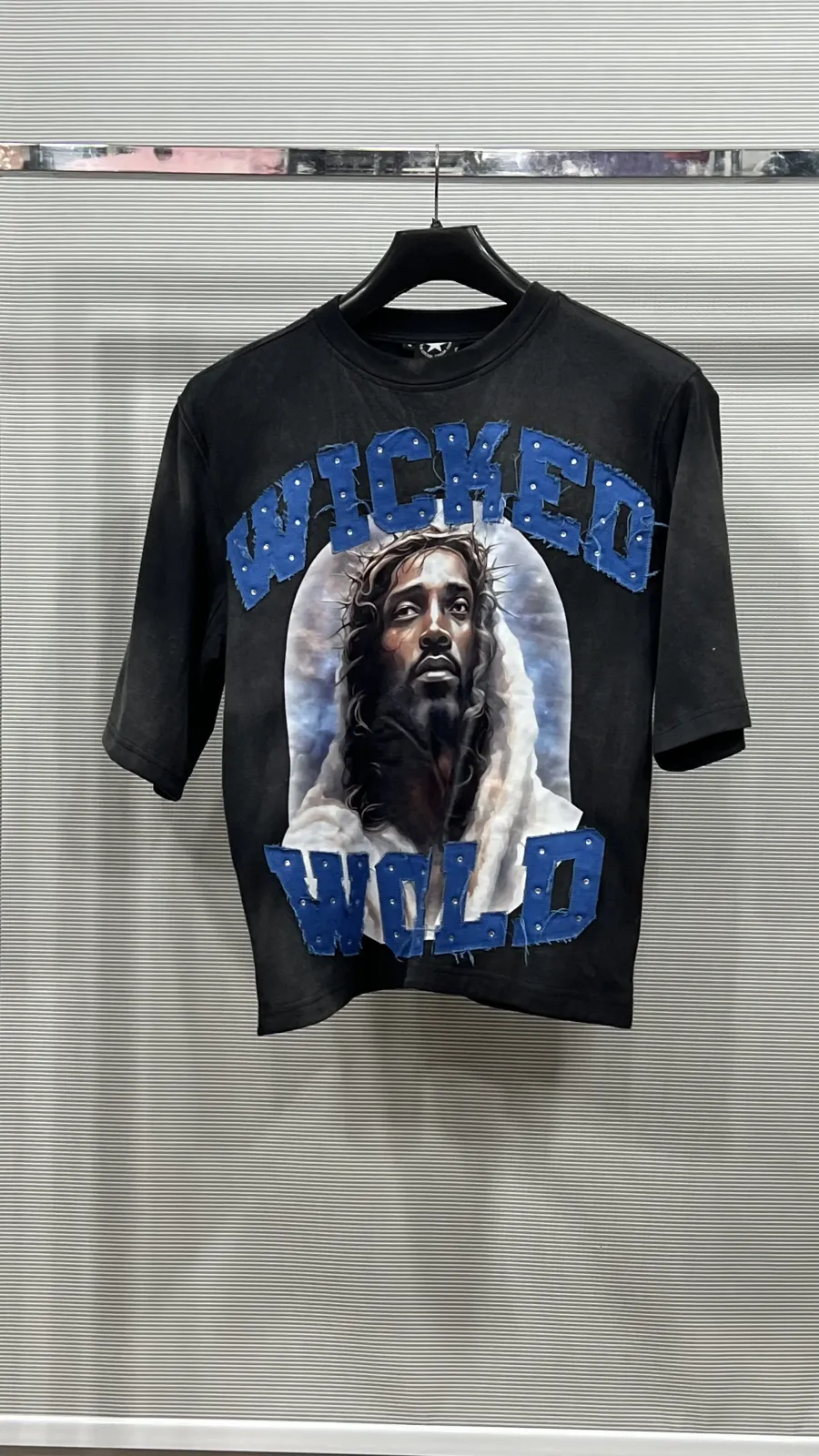
01 — Why Vintage-Look Embroidery Needs a Steadier Hand on a Tee
What a Distressed Embroidery T Shirt Manufacturer Has to Watch More Closely
Regular embroidery already asks more of a lightweight tee than it does of a hoodie — less fabric mass means less margin to absorb stitch tension. Distressed embroidery pushes that further, on purpose. The whole technique relies on irregular stitch density, deliberate gaps, and thread tails left frayed instead of trimmed clean, all of which reduce the structural support a design has to lean on. On fleece, there’s still enough fabric underneath to carry that reduced support safely. On jersey, the margin gets genuinely tight.
None of that makes distressed embroidery a poor fit for tees — quite the opposite. Vintage band tees and thrifted-look streetwear are one of the biggest established categories in casual fashion, arguably a more natural cultural home for a worn-in aesthetic than a hoodie is. The technical challenge and the aesthetic fit pull in opposite directions here, which is exactly why execution matters more on this combination than almost anywhere else in our lineup.
That tension shows up most clearly in how much slower the process runs compared to standard tee embroidery. Every distressed design gets a test pass on scrap fabric from the same roll before it touches a real garment, and the sanding step is applied by hand rather than machine, checked continuously rather than timed and walked away from. It’s a genuinely more hands-on process than clean embroidery, which is part of why it costs more — not because the design is necessarily bigger or more complex, but because getting it right on thin fabric takes more careful, incremental work.
02 — Fabric and Construction: Heavier Jersey, and Why Carded Cotton Helps Here
Fabric and Construction: Heavier Jersey, and Why Carded Cotton Helps Here
| Weight | GSM | Distressed Embroidery Result |
|---|---|---|
| Lightweight jersey | 160–180 GSM | Not recommended — too little structure to support the technique |
| Midweight jersey | 180–200 GSM | Workable for a small, restrained design |
| Heavier jersey | 200–220+ GSM | The most reliable support for the full technique |
The sanding pass — a light abrasion that knocks down some of the stitch loops for a faded texture — carries real risk on thin jersey that it doesn’t on fleece. Sand too aggressively on lightweight fabric and you can tear straight through it rather than just aging it; the technique needs a lighter, more careful hand and a heavier starting fabric to give that sanding room to work safely.
Here’s a genuine reversal worth knowing: our standard tee page recommends combed cotton for cleaner embroidery, since its finer yarn holds crisper stitch outlines. For a distressed look specifically, carded cotton’s slightly rougher, less uniform surface actually works in the design’s favor — it adds to the worn texture rather than fighting against it. It’s one of the few places where the "lower quality" cotton grade is arguably the better creative choice, not just the cheaper one.
03 — Design, Digitizing, and File Requirements for a Worn Look
Design, Digitizing, and File Requirements for a Worn Look
The same principles apply as on any distressed embroidery job: a digitizing file built with irregular stitch density from the start, some thread tails left frayed rather than trimmed, and a controlled sanding pass afterward. What’s different on a tee is how those frayed thread ends behave over time. Fleece’s thicker weave gives a stray thread something to catch and anchor against; jersey’s smoother, thinner surface offers less of that protection, so frayed ends are somewhat more prone to snagging further during normal wear if they aren’t finished carefully.
Thread color matters even more here too. Distressed embroidery tees are very commonly paired with a washed, garment-dyed, or otherwise worn-look base fabric — vintage tee culture tends to go all-in on the aesthetic across the whole piece, not just the logo. A bright, saturated thread clashes far more obviously against a faded or acid-washed tee than it would against a solid-color hoodie, so muted or heathered thread tones are less of a stylistic preference here and closer to a requirement for the design to read as cohesive.
It’s worth flagging your intended distress style before we digitize anything, the same as on any distressed embroidery job — but on a tee specifically, tell us upfront if you’re pairing the design with a wash treatment, since it changes the thread palette we’d recommend. A design digitized to sit on a crisp white tee needs a different color approach than the same design digitized to sit on a heavily faded, acid-washed base — the fabric underneath is part of the design decision here in a way it usually isn’t on a solid-color hoodie.
04 — What Separates Intentional Wear From Damaged Fabric on a Tee
What Separates Intentional Wear From Damaged Fabric on a Tee
Consistency across a production run still matters — the same areas should show wear on every piece — but the margin for error is tighter here than on a hoodie, since jersey has less structure to average out small inconsistencies in the stitching or the sanding pass. Check that sanded areas look aged rather than actually torn through; on lightweight fabric specifically, that line is easier to cross than it is on fleece.
Give any deliberately frayed thread a gentle tug, same as any distressed embroidery check, but pay closer attention here to whether the fray is staying where it’s meant to or starting to pull further — jersey’s smoother surface gives it less to catch on, for better or worse. And if the design is meant to pair with a washed or dyed base fabric, check the thread color reads as cohesive with that treatment rather than sitting apart from it. These are the checks we run on every sample, and we’re glad to walk through them with you over video if you’d rather see the process directly.
05 — MOQ and Sampling: What to Expect
MOQ and Sampling With Your Distressed Embroidery T Shirt Manufacturer
MOQ is 50 pieces per style, split across whatever size run you need. Sampling takes 6–10 days, and the full cost is credited against your bulk order once you move forward.
Ask to see more than one sample if you can, given how much tighter the margin for error runs on jersey — it’s the clearest way to confirm the sanding and fraying process is repeatable on your specific fabric weight before we commit it to 50 pieces. If your design pairs with a washed or dyed base garment, sample that combination together rather than judging the embroidery in isolation.
It’s also worth being specific about acceptable variation when you brief us. Some brands want every piece in the run to show wear in exactly the same places; others are fine with — or actively want — some natural variation from piece to piece, since that unevenness is part of what reads as authentically worn rather than manufactured to look worn. Telling us which you’re after up front changes how tightly we control the sanding pass across the run.
06 — What Actually Moves Your Price
What Actually Moves Your Price
Distressed embroidery costs more than a clean logo of the same size, the same principle as on a hoodie — specialized digitizing and an added sanding step apply regardless of garment. Worth knowing on a tee specifically: technique complexity, not just design size, drives most of that added cost, so a small distressed design doesn’t necessarily come in dramatically cheaper than a slightly larger one on the same fabric. Thread color count, placement size, fabric GSM, and total order volume round out the rest.
We don’t publish flat pricing because those variables interact too much to be useful as a single number. Run your spec through our Instant Quote tool instead — it gives you a price estimate in 5 seconds, a downloadable PDF quote, and a direct line to WhatsApp with your quote pre-filled. Final pricing is confirmed by our team within 24 hours.
07 — Shipping to the UK and EU Duty-Free
Shipping to the UK and EU Duty-Free
Manufacturing in Pakistan carries a trade advantage worth factoring into your landed cost. Apparel made here enters the UK at 0% duty under the Developing Countries Trading Scheme, and the EU at 0% duty under GSP+, versus roughly 12% on equivalent goods sourced from China.
Details on eligibility and the current tariff schedule are on the UK government’s own guidance page: Developing Countries Trading Scheme (DCTS) — GOV.UK.
08 — When Distressed Embroidery Isn't the Right Call on a Tee
When Distressed Embroidery Isn’t the Right Call on a Tee
Distressed embroidery isn’t the right call on a genuinely lightweight fashion tee — under about 180 GSM, there simply isn’t enough structure to support the technique safely, regardless of how carefully it’s executed. It’s also the wrong choice for a clean, minimalist, or premium-polished brand identity, since the whole point of the look is to read as worn and casual. If a sharp, precise finish is what your brand needs instead, our Embroidery T Shirt page is the better starting point.
Table of Contents
Simple Process
From Spec to Shipped, in Four Steps
01
Quote & Spec
Run your GSM, placement, and distress reference through the Instant Quote tool; get a price estimate and a downloadable PDF in 5 seconds.
02
Sample
We digitize, stitch, and carefully distress a physical sample in 6–10 days; you can join a live video call from the floor before it ships.
03
Approve & Bulk
Approve the sample (its cost is credited to your order) and we run your full size and quantity — production takes 12–15 days.
04
Ship
Finished tees go out via DHL/FedEx air (3–7 days) or sea freight for larger volumes, landing duty-free in the UK and EU.
Our Advantage
Why Brands Choose Malinor
Floor Video Call Before You Pay Anything
See your actual distressed production run in progress, not a stock photo, before you commit to bulk.
Sample Cost Credited in Full
Nothing at all you spend on sampling is wasted once you move to bulk.
In-House Digitizing, Stitching, and Distressing
No subcontracting any decoration step to a third shop, so your timeline doesn’t depend on someone else’s queue.
Fast, Direct Replies
Most quote and spec questions get answered within 2 hours during business hours.
Common Questions
Frequently Asked Questions
Why is distressed embroidery riskier on a t-shirt than a hoodie?+
The technique already relies on reduced stitch density and deliberate gaps, which cuts into the structural support any design has to lean on. A hoodie’s heavier fleece can absorb that reduction safely; a lightweight tee has much less margin, which is why we recommend a heavier tee weight and a lighter, more careful hand on the sanding step specifically.
Does carded cotton work better or worse for a distressed look?+
Better, in this specific case — a genuine exception to our usual advice. Carded cotton’s slightly rougher, less uniform surface adds to the worn texture rather than fighting against it, where combed cotton’s smoother finish is more suited to a clean embroidery look. It’s one of the few times the less refined cotton grade is the stronger creative choice.
Will the sanding step damage my t-shirt?+
Not if it’s calibrated correctly for your fabric weight, but the risk is real on lightweight jersey in a way it isn’t on fleece. Sand too aggressively on thin fabric and you can tear through it rather than just aging it. We use a lighter touch and recommend heavier tee weights specifically to give that step safe room to work.
Should I pair distressed embroidery with a washed or dyed tee base?+
It’s a very common combination, and often a stronger one than distressed embroidery alone on a solid-color tee. Vintage tee aesthetics tend to go all-in on the worn look across the whole garment, not just the logo. If you’re going that route, sample the embroidery and the wash treatment together so you can judge thread color cohesion against the finished fabric.
What’s the minimum order quantity?+
50 pieces per style, with sizes split however your size run needs — you’re not locked into 50 of one size. A distressed embroidery tee and a standard embroidery tee in the same order each need their own 50-piece minimum, since they’re different styles.
How long does shipping take?+
DHL or FedEx air freight takes 3–7 days worldwide once your order is finished. For larger volumes, sea freight is available at a lower cost per unit but a longer transit time — we’ll walk you through both options once your bulk order is confirmed and ready to move.
Run Your Spec Through the Instant Quote Tool
Get a price estimate in 5 seconds, a downloadable PDF, and a straight line to WhatsApp with your quote pre-filled. Before you pay anything, we’ll get you on a live video call from the production floor.