Call us now:


The streetwear industry just witnessed one of its most significant partnerships of 2026. LISA, the BLACKPINK superstar, has officially entered a long-term partnership with Nike marking a momentous collaboration that bridges K-pop royalty with athletic excellence. This announcement has sent shockwaves through the fashion and streetwear manufacturing sectors, signaling a new era where music, culture, and performance apparel converge in unprecedented ways.
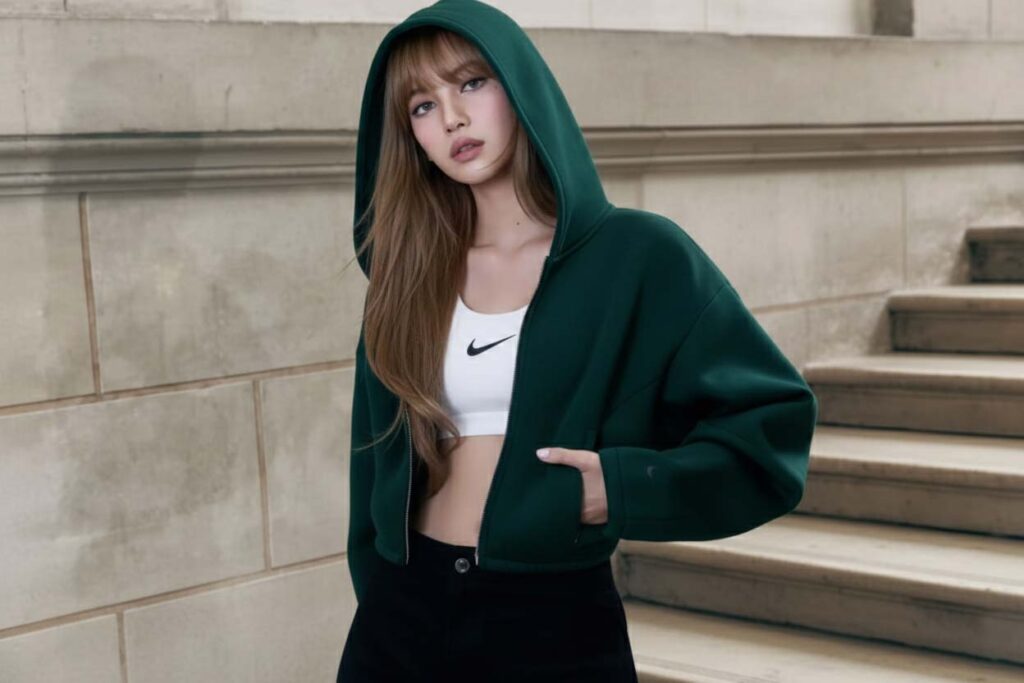
Table of Contents
From Bangkok Dreams to Global Nike Ambassador
During her trainee days, LISA saved her allowance to buy Nike Dunk Highs for training, a moment that would foreshadow her journey from aspiring artist to global brand ambassador. The Thai-born rapper, dancer, and style icon has always maintained an intimate relationship with Nike products, integrating them seamlessly into her high-intensity dance routines and Pilates sessions. This authentic connection makes the partnership feel organic rather than merely transactional, a crucial factor in today’s streetwear landscape where consumers demand genuine brand relationships.
The announcement came just days after LISA’s appearance at the Golden Globes 2026, where she made her acting debut in HBO’s “The White Lotus.” The timing couldn’t be more perfect, as LISA continues to solidify her position as a multi-hyphenate talent dominating music, acting, and fashion simultaneously. For streetwear manufacturers and brands, this partnership demonstrates how celebrity endorsements have evolved beyond simple product placement into comprehensive lifestyle integrations.
The Air Max 95 Campaign: Where Culture Meets Performance
LISA debuted as the face of the Air Max 95 in Paris, choosing a silhouette deeply rooted in music subcultures and self-expression. The Air Max 95, a legendary sneaker in street culture, represents more than footwear—it’s a cultural artifact that has transcended generations. The choice of this particular model speaks volumes about Nike’s strategic direction and understanding of streetwear’s DNA.
The Paris campaign showcased LISA in athletic wear that seamlessly blends functionality with fashion-forward design. The iconic “Pink Foam” Air Max 95 Big Bubble featured in the announcement sold out almost immediately, demonstrating the immense purchasing power of LISA’s fanbase and the hunger for celebrity-endorsed streetwear products. For manufacturers in the streetwear space, this instant sellout phenomenon underscores the importance of limited releases and strategic celebrity partnerships.
What This Partnership Means for Streetwear Manufacturing
The LISA-Nike collaboration signals several critical trends that streetwear manufacturers should note:
Celebrity-Driven Product Development: LISA’s involvement goes beyond traditional endorsement. She represents a new breed of brand ambassadors who actively participate in product narratives and campaign creation. Her authentic story—from saving money for Nike Dunks as a trainee to becoming a global ambassador—provides manufacturers with a blueprint for building compelling brand stories.
Asian Market Expansion: LISA’s Thai heritage and massive Asian following make her an invaluable asset for Nike’s expansion in Asian markets. Streetwear brands looking to penetrate or strengthen their position in Southeast Asian markets should take note of how cultural representation and authentic regional connections drive consumer loyalty.
Performance Meets Style: LISA’s training focuses primarily on dancing, with Pilates for stretching and light cardio. This emphasis on functional athletic wear that doesn’t compromise on style represents a growing segment in streetwear manufacturing. Consumers increasingly demand garments that perform during physical activities while maintaining aesthetic appeal for everyday wear.
Female Empowerment in Streetwear: LISA stated she wants to encourage women everywhere to embrace self-expression and be confident in who they are through what they wear. This female-focused messaging addresses a traditionally male-dominated streetwear market, opening opportunities for manufacturers to develop women-centric streetwear lines that emphasize both performance and self-expression.
The Shift from Adidas to Nike: Industry Implications
Notably, all four BLACKPINK members previously partnered with Adidas as a group, making LISA’s move to Nike particularly significant. While Jennie remains with Adidas and Rosé has partnered with Puma, this diversification of brand partnerships among group members reflects broader trends in celebrity endorsements. It demonstrates how individual artists are increasingly asserting their personal brand identities separate from group affiliations.
For streetwear manufacturers, this shift illustrates the importance of creating flexible partnership structures that allow for individual expression while maintaining brand cohesion. The days of monolithic brand deals are giving way to more nuanced, personalized collaborations that respect artists’ evolving identities and career trajectories.
Manufacturing Insights: The Technical Side
The Nike Air Max 95 featured in LISA’s campaign represents sophisticated manufacturing excellence. The shoe’s layered construction, innovative Air Max technology, and premium materials showcase how technical innovation drives streetwear appeal. Manufacturers should note several key elements:
Material Innovation: The combination of synthetic leather, mesh, and visible Air Max cushioning demonstrates how material selection impacts both performance and aesthetics. Streetwear brands must invest in material research and development to remain competitive.
Limited Edition Strategy: The immediate sellout of LISA’s featured Air Max 95s proves the effectiveness of limited releases. Manufacturers should consider adopting scarcity-driven production models that create urgency and maintain brand desirability.
Collaborative Design Philosophy: Nike’s approach to celebrity partnerships involves the ambassador in authentic ways, creating narratives that resonate with target audiences. This collaborative methodology should inform how streetwear manufacturers approach their own partnership opportunities.
Social Media Impact and Digital Marketing
LISA commands over 105 million Instagram followers and massive engagement across all social platforms. Her announcement posts generated millions of interactions within hours, demonstrating the viral potential of strategic celebrity partnerships. For streetwear brands, this highlights the critical importance of digital-first marketing strategies and social media-native content creation.
The partnership announcement utilized high-quality campaign imagery shot in Paris, combining aspirational location photography with product-focused content. This multi-layered visual approach provides a template for streetwear manufacturers looking to maximize their marketing ROI through social media channels.
Future Implications for the Streetwear Industry
LISA’s Nike partnership represents more than a single endorsement deal—it signals evolving consumer expectations and market dynamics. Several trends emerge:
Global-Local Balance: LISA’s international appeal combined with her strong Asian roots demonstrates how brands can achieve global reach while maintaining cultural authenticity. Streetwear manufacturers must navigate this balance carefully to avoid cultural appropriation while celebrating diversity.
Multi-Platform Talent: LISA’s success across music, acting, and fashion shows how modern brand ambassadors must excel across multiple platforms. Streetwear brands should seek partnerships with similarly versatile talents who can authentically represent products across various contexts.
Sustainability and Ethics: While not explicitly mentioned in the partnership announcement, younger consumers increasingly demand transparency about manufacturing practices and sustainability commitments. Forward-thinking streetwear manufacturers should proactively address these concerns.
Conclusion: A New Chapter in Streetwear Evolution
BLACKPINK’s LISA joining the Nike family marks a pivotal moment in streetwear culture. This partnership exemplifies how contemporary streetwear transcends traditional boundaries, merging music, performance, fashion, and cultural expression into cohesive brand narratives. For manufacturers, the lessons are clear: authenticity matters, celebrity partnerships must feel organic, and products must deliver both performance and style.
As streetwear continues evolving, partnerships like LISA and Nike will increasingly define industry standards. Manufacturers who understand and adapt to these dynamics—prioritizing authentic storytelling, technical innovation, and cultural relevance—will thrive in this competitive landscape. The future of streetwear lies at the intersection of performance, culture, and self-expression, exactly where LISA and Nike have positioned themselves.